

Menopausal Nutrition: Navigating Dietary Changes for Women Over 50

Menopause is a significant phase in every woman’s life, marked by a range of physical and emotional changes. As the body transitions, nutritional needs shift, requiring a more tailored approach to diet and wellbeing. This stage presents a unique opportunity to rethink and redefine your nutritional habits, ensuring that they align with your body’s evolving needs. By incorporating cutting-edge techniques and staying informed about the latest research, you can navigate this transition with confidence and vitality.
Understanding Menopause and Its Impact on Nutritional Needs
Menopause typically occurs between the ages of 45 and 55, although it can happen earlier or later. It marks the end of a woman’s reproductive years and is defined by the cessation of menstruation. The decline in estrogen and other hormones during this period can lead to various symptoms, including hot flashes, mood swings, and sleep disturbances. More importantly, these hormonal changes significantly affect metabolism, bone density, and cardiovascular health.
Given these shifts, it becomes essential to adjust your diet to support overall health, manage symptoms, and prevent long-term conditions such as osteoporosis and heart disease. Here’s how you can leverage advanced nutritional strategies to thrive during menopause.
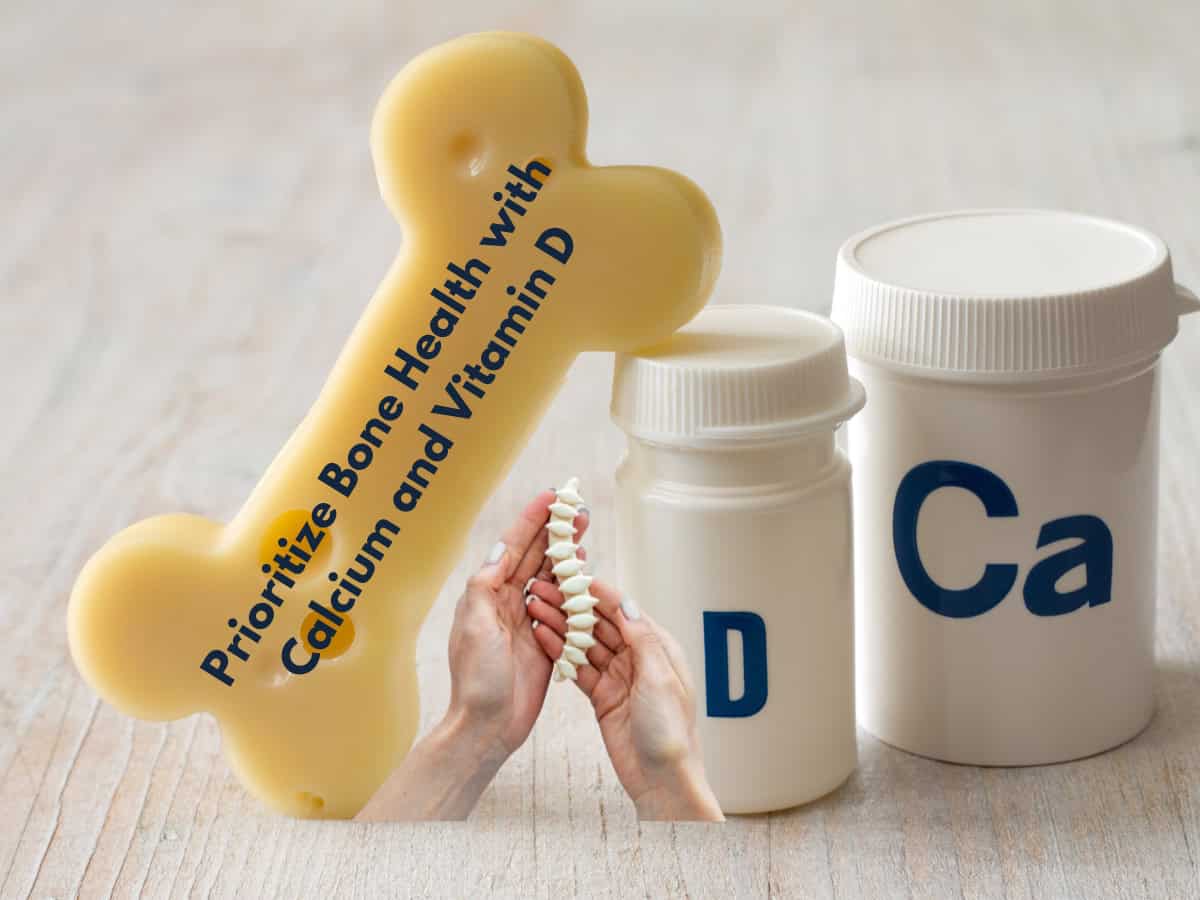
Prioritize Bone Health with Calcium and Vitamin D
One of the most critical changes during menopause is the increased risk of osteoporosis due to a decline in bone density. Estrogen plays a crucial role in maintaining bone strength, and its reduction can lead to rapid bone loss. Therefore, ensuring adequate intake of calcium and vitamin D is vital.
Calcium-Rich Foods
While dairy products are a well-known source, consider incorporating plant-based calcium sources such as leafy greens, almonds, and fortified plant milks. These can be easier to digest and less inflammatory for some women.
Vitamin D Optimization
Spend time in sunlight and include vitamin D-rich foods like fatty fish and eggs. If you live in a region with limited sunlight, consider a high-quality vitamin D3 supplement.
Focus on Heart Health with Omega-3 Fatty Acids
The drop in estrogen levels also increases the risk of cardiovascular disease, making heart health a priority. Omega-3 fatty acids, particularly EPA and DHA, are renowned for their heart-protective benefits. These healthy fats reduce inflammation, lower blood pressure, and improve cholesterol levels, all of which are crucial during menopause.
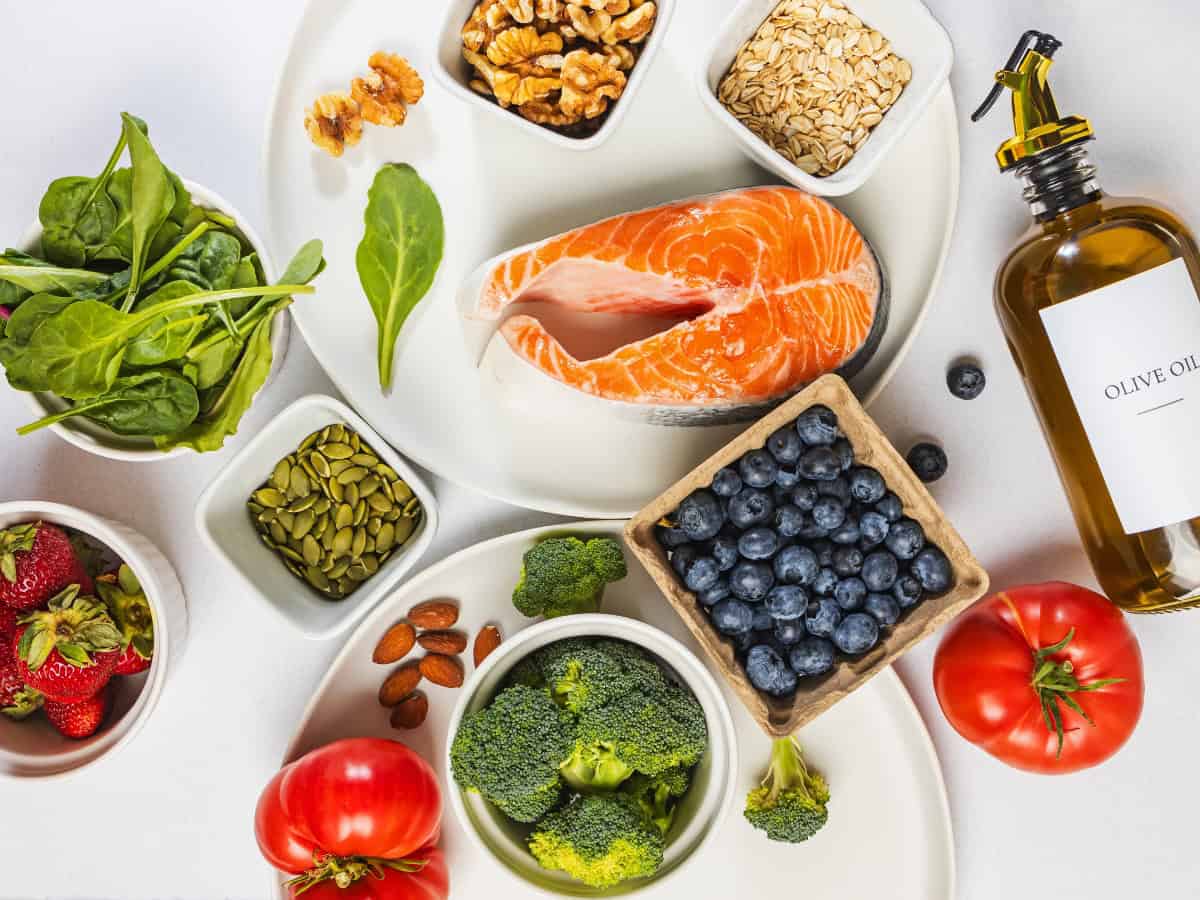
Omega-3 Sources:
Include fatty fish such as salmon, mackerel, and sardines in your diet. For vegetarians and vegans, algae-based supplements are an excellent alternative to fish oil.
Innovative Approaches: Consider adding ground flaxseeds or chia seeds to your meals. These not only provide omega-3s but also offer a healthy dose of fiber, which can help with weight management and digestion.
Manage Weight with Protein and Fiber
As metabolism slows down with age, many women find it challenging to maintain a healthy weight. This can be frustrating, but the solution lies in a strategic approach to diet. Protein and fiber are your best allies here—they promote satiety, support muscle mass, and aid in digestion, making it easier to manage weight during menopause.
Protein Power
Incorporate high-quality protein sources such as lean meats, fish, eggs, and legumes. If you struggle with appetite or digestion, protein smoothies can be an easy way to ensure you’re meeting your needs.
Fiber Focus
Whole grains, vegetables, fruits, and legumes should form the bulk of your meals. Not only do they keep you full, but they also regulate blood sugar levels, which can be erratic during menopause.
Combat Hot Flashes with Phytoestrogens
Hot flashes are one of the most common and uncomfortable symptoms of menopause. Some women find relief by including phytoestrogens—plant-based compounds that mimic estrogen in the body—in their diet. These can help balance hormone levels naturally.
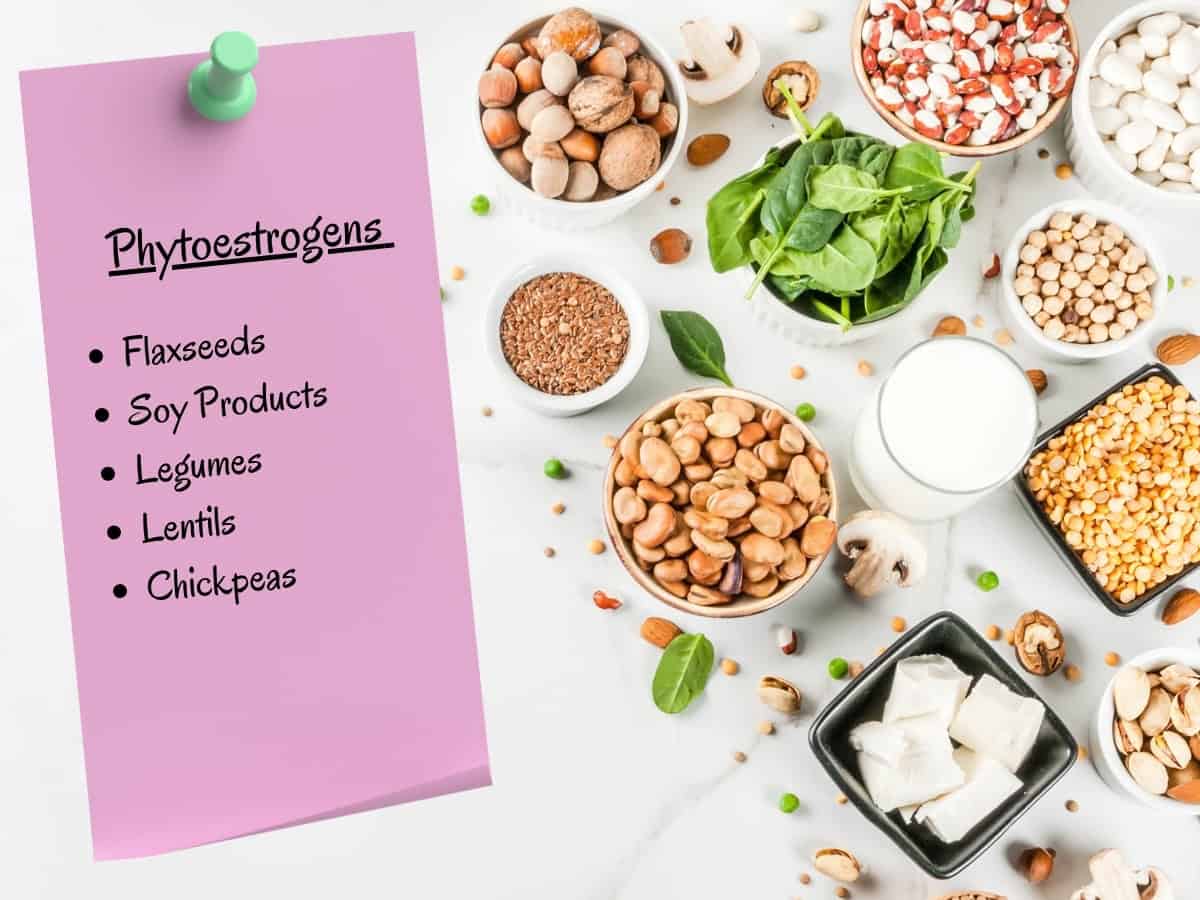
Phytoestrogen Sources
Flaxseeds, soy products, and legumes like lentils and chickpeas are rich in phytoestrogens. Incorporating these into your diet may help reduce the frequency and severity of hot flashes.
Balancing Act
While phytoestrogens can be beneficial, moderation is key. Excessive consumption, especially of soy products, may not be suitable for everyone, so it’s important to find the right balance for your body.
Support Mood and Mental Health with Magnesium and B Vitamins
Menopause can bring about mood swings, anxiety, and depression. The good news is that certain nutrients can have a positive impact on mental wellbeing. Magnesium and B vitamins, particularly B6 and B12, play crucial roles in brain function and mood regulation.

Magnesium Magic
This mineral is known for its calming effects and can help reduce anxiety and improve sleep. Incorporate magnesium-rich foods such as spinach, nuts, seeds, and whole grains into your diet.
B Vitamin Boost
B vitamins are essential for energy production and mood stabilization. Whole grains, eggs, and legumes are excellent sources. If you’re experiencing severe mood swings, a B-complex supplement might be beneficial.
Embrace a Holistic Approach with Mindful Eating
Beyond specific nutrients, the way you approach food can also impact your menopausal experience. Mindful eating encourages you to listen to your body’s signals, eat with intention, and make food choices that truly nourish you. This practice can reduce overeating, improve digestion, and enhance your overall relationship with food.

Mindful Meals
Take time to enjoy your meals without distractions. Focus on the taste, texture, and satisfaction each bite brings.
Intuitive Choices
Pay attention to how different foods make you feel. Some women find that certain foods trigger symptoms like bloating or hot flashes. By tuning in, you can make adjustments that support your well-being.
Navigating menopause is a deeply personal journey, but with the right nutritional strategies, you can manage symptoms, support your health, and embrace this new phase of life with confidence. By prioritizing bone and heart health, managing weight effectively, and supporting mood through diet, you can ensure that your nutritional choices work in harmony with your body’s needs. Remember, every woman’s experience is unique, so it’s important to listen to your body and make adjustments as needed. With cutting-edge techniques and exclusive insights, you’re well-equipped to thrive during menopause and beyond.