

Women and Sleep: How Better Rest Leads to Better Health

Sleep is more than just a nightly ritual; it is a critical component of overall health, particularly for women. While everyone needs quality sleep, women face unique challenges and benefits tied to their rest patterns. Understanding these nuances can lead to profound improvements in health and well-being.

The Unique Sleep Needs of Women
Women experience sleep differently from men due to a variety of factors, including hormonal fluctuations, life stages, and societal roles. These differences make it essential for women to pay special attention to their sleep habits.
Hormonal Fluctuations:
Throughout a woman’s life, from menstruation to menopause, hormonal changes significantly impact sleep quality. For example, during the menstrual cycle, shifts in estrogen and progesterone can cause sleep disturbances. Many women experience insomnia or fragmented sleep during the premenstrual phase due to these hormonal changes. Pregnancy also presents unique challenges, with factors like discomfort, frequent urination, and anxiety contributing to sleep loss. Finally, menopause often brings hot flashes and night sweats, leading to disrupted sleep.

Life Stages and Sleep:
Different life stages, such as motherhood and menopause, introduce new sleep challenges. New mothers often struggle with sleep deprivation, which can lead to chronic fatigue and even postpartum depression. As women age, they may also experience more frequent awakenings during the night and a general decline in sleep quality. Understanding these changes is key to managing sleep health effectively.
Societal Roles and Sleep:
Women often juggle multiple roles—career, family, and social obligations—that can make achieving quality sleep difficult. The stress of balancing these responsibilities can lead to chronic sleep deprivation, which over time can severely impact physical and mental health.
The Health Benefits of Quality Sleep for Women
Investing in better sleep is one of the most effective ways for women to enhance their overall health. Quality sleep offers a host of benefits that extend beyond just feeling rested.
Improved Mental Health:
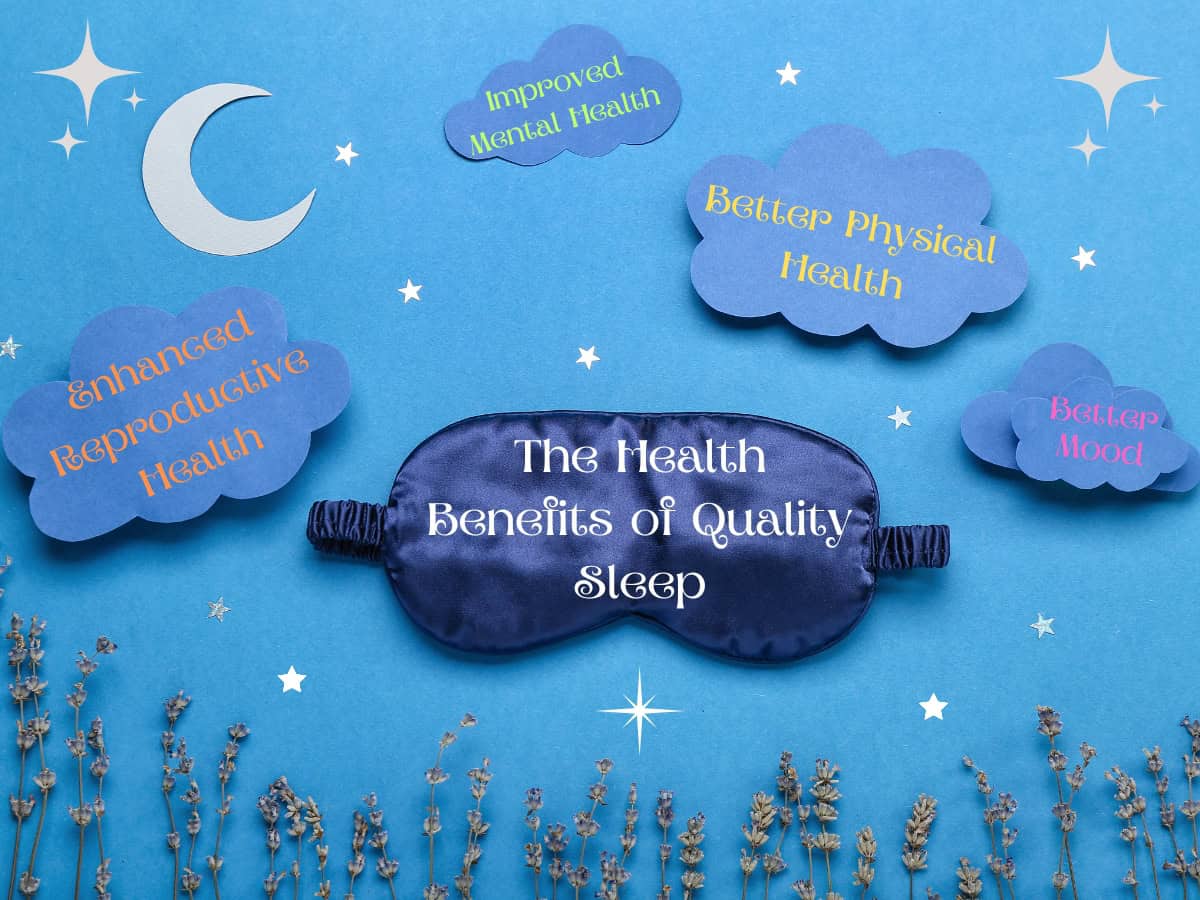
Sleep is directly linked to mental health, with poor sleep contributing to conditions such as anxiety, depression, and mood disorders. Women, who are more likely to experience depression than men, can benefit greatly from prioritizing sleep. Quality rest helps regulate mood, improve cognitive function, and enhance emotional resilience.
Better Physical Health:
Sleep is crucial for physical health, affecting everything from immune function to weight management. Women who prioritize sleep are better equipped to maintain a healthy weight, as sleep influences hormones that regulate appetite. Additionally, good sleep supports heart health by lowering blood pressure and reducing stress on the cardiovascular system.
Enhanced Reproductive Health:
For women, sleep plays a significant role in reproductive health. Poor sleep can lead to irregular menstrual cycles and difficulties in conceiving. During pregnancy, adequate sleep is vital for both the mother and the baby, supporting healthy fetal development and reducing the risk of complications.
Overcoming Common Sleep Challenges
While understanding the importance of sleep is crucial, overcoming the challenges that prevent good sleep is the next step. Here are some strategies that can help women improve their sleep quality.
Establish a Consistent Sleep Routine:
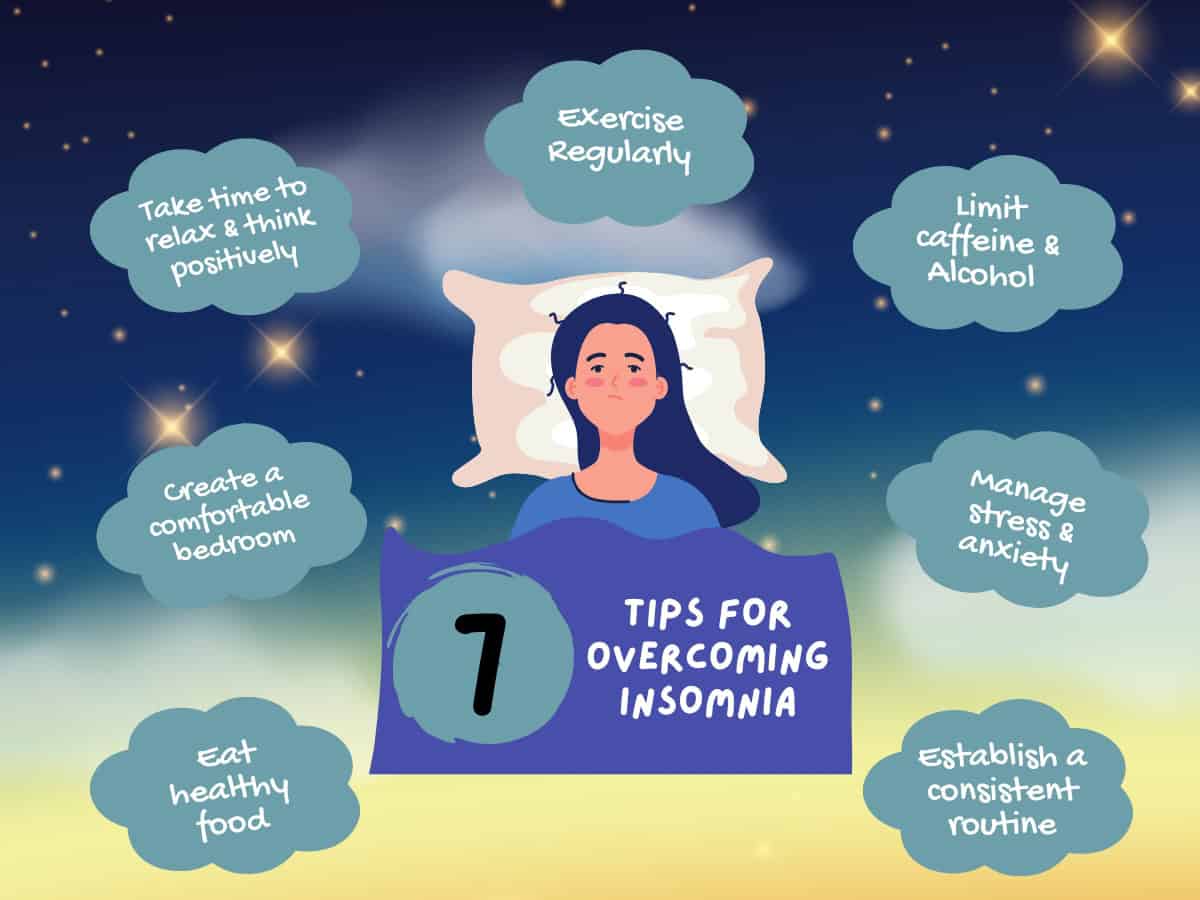
A regular sleep schedule helps regulate the body’s internal clock, making it easier to fall asleep and wake up naturally. Going to bed and waking up at the same time each day, even on weekends, can lead to more restful sleep.
Create a Sleep-Friendly Environment:
The sleep environment plays a critical role in the quality of sleep. This includes having a comfortable mattress and pillows, keeping the bedroom cool and dark, and minimizing noise. Consider investing in blackout curtains and white noise machines if necessary.
Manage Stress and Anxiety:
Stress and anxiety are common sleep disruptors, particularly for women. Techniques such as mindfulness, meditation, and deep breathing exercises can help calm the mind before bed. Additionally, setting aside time to unwind and disconnect from screens an hour before bedtime can significantly improve sleep quality.
Limit Caffeine and Alcohol Intake:
Both caffeine and alcohol can interfere with sleep. Caffeine, a stimulant, can make it difficult to fall asleep, while alcohol, although initially sedative, can disrupt sleep later in the night. Limiting intake of these substances, especially in the evening, can lead to better sleep.
Exercise Regularly:
Physical activity is one of the most effective ways to improve sleep. Regular exercise helps reduce stress, tire the body, and regulate the sleep-wake cycle. However, it’s important to avoid vigorous exercise close to bedtime, as it can have a stimulating effect.
Listening to Your Body’s Signals
One of the most powerful tools for improving sleep is simply listening to your body. Women’s bodies often signal when they need rest, whether through fatigue, irritability, or difficulty concentrating. Ignoring these signals can lead to chronic sleep deprivation, which has long-term health consequences. By tuning in to these cues and adjusting habits accordingly, women can take proactive steps toward better sleep.

The Long-Term Impact of Quality Sleep
The benefits of quality sleep extend far beyond just the next day’s productivity. Over time, good sleep contributes to a longer, healthier life. For women, this means a lower risk of chronic diseases, better mental health, and a more balanced, fulfilling life. Investing in sleep is, in many ways, an investment in your future.
In conclusion, understanding and prioritizing sleep is essential for women’s health. By recognizing the unique challenges women face and implementing strategies to improve sleep quality, women can unlock the profound benefits that come with better rest. From improved mental and physical health to enhanced reproductive well-being, quality sleep is a cornerstone of a healthy, vibrant life.